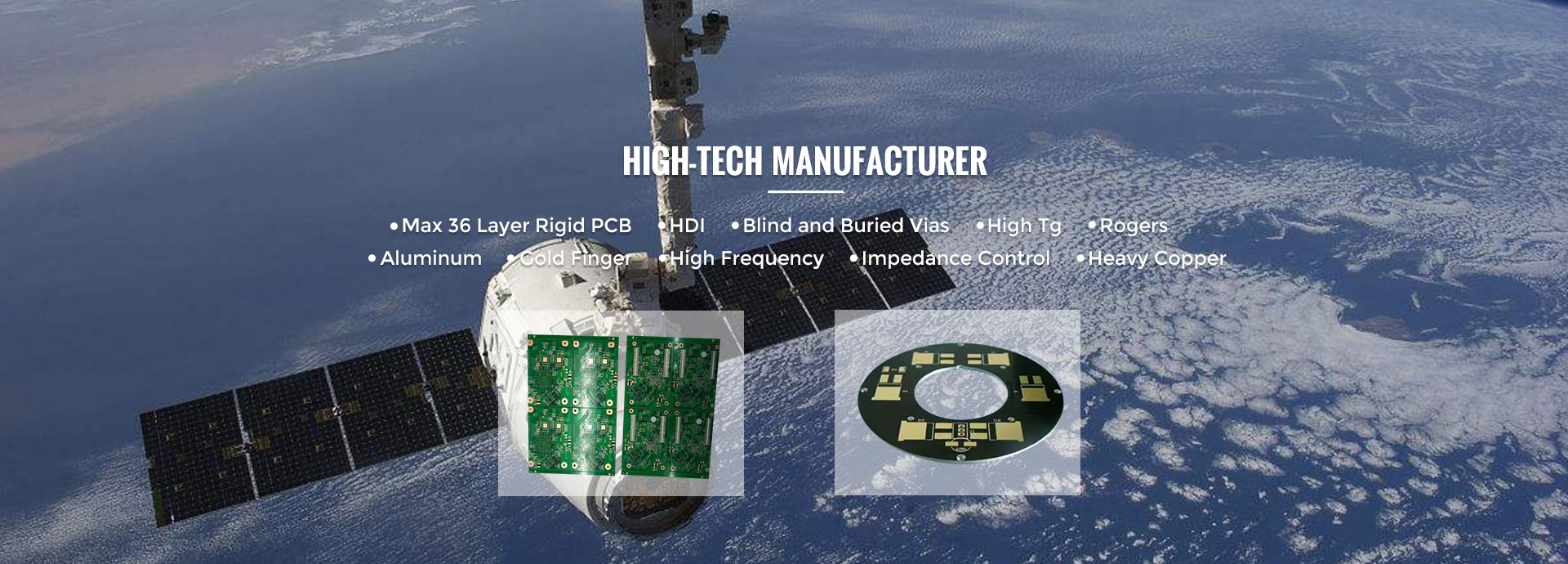
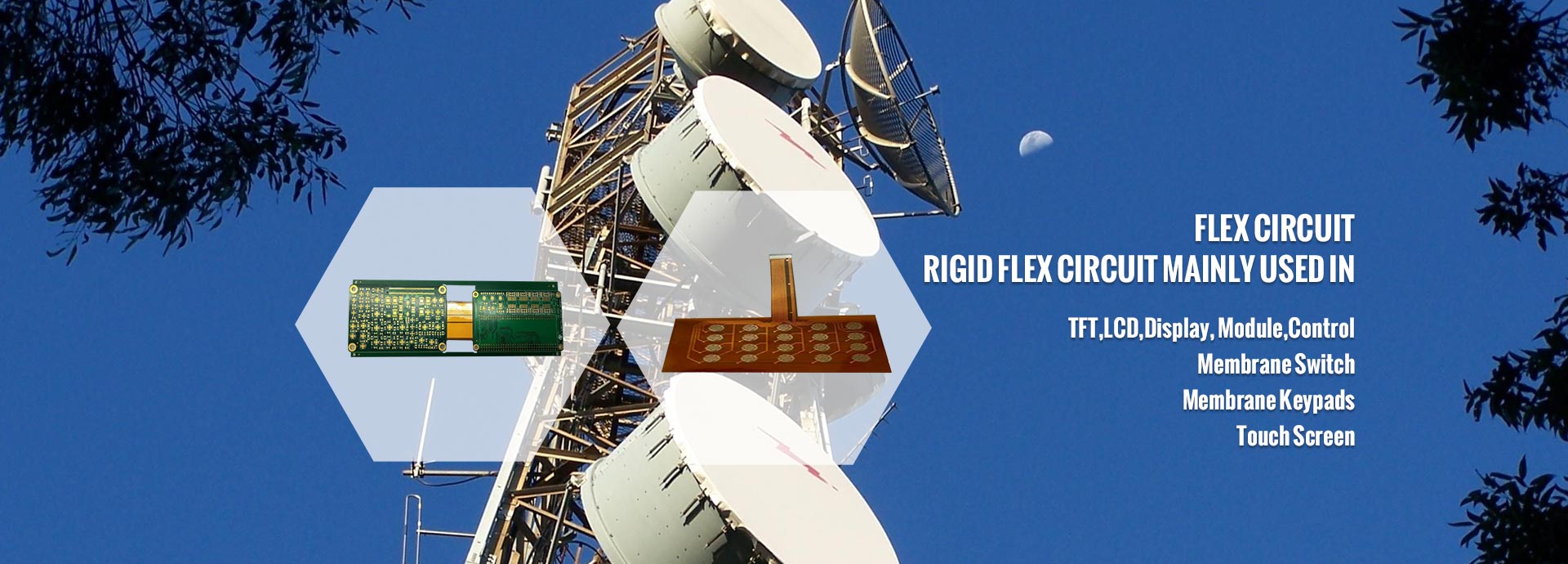
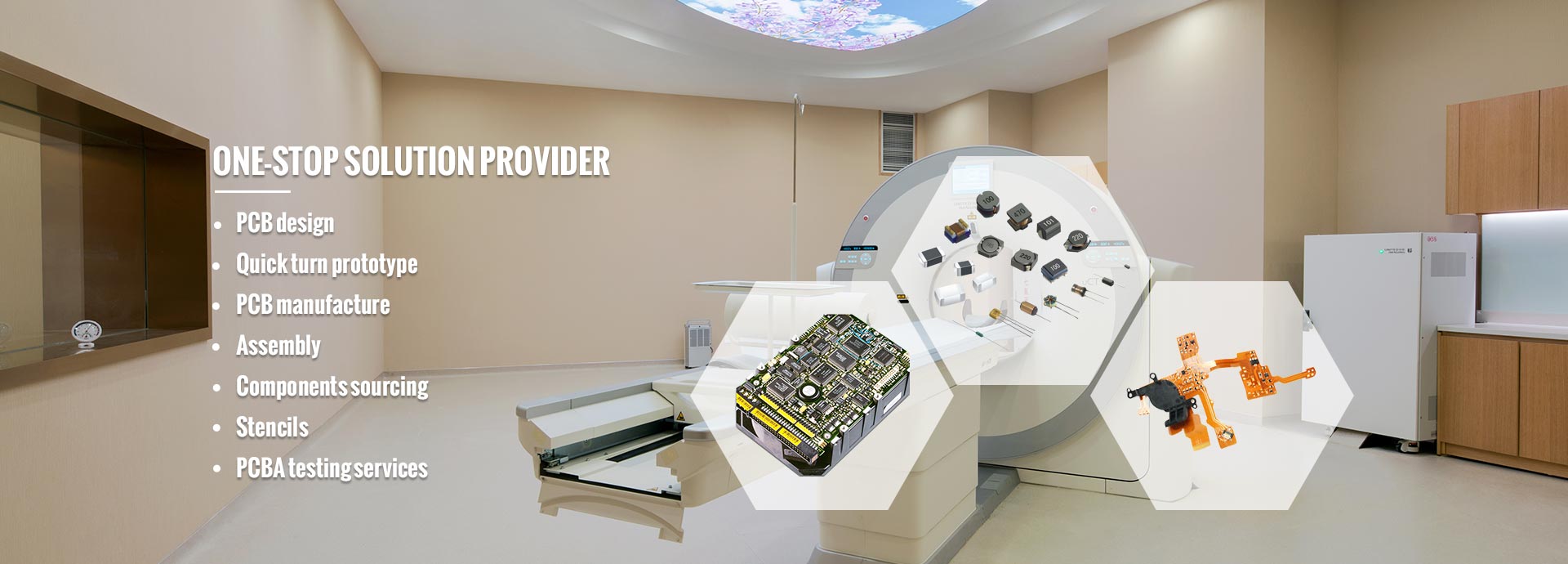
Dear Partners, welcome to MINKINZI – China’s Trusted End-to-End Manufacturing Partner, with 20 years of expertise, we specialize in: Design & Development → PCB Fabrication → PCBA Assembly → Box-Build Assembly. ODM/OEM/Contract Manufacturing tailored to global standards. Support DFM. .

  • Security IoT PCBA Development - Low-Power Monitoring Device Control Board (Supporting AI Recognition)

  • Security IoT PCBA Development - Low-Power Monitoring Device Control Board (Supporting AI Recognition)

  • Security IoT PCBA Development - Low-Power Monitoring Device Control Board (Supporting AI Recognition)

  • Security IoT PCBA Development - Low-Power Monitoring Device Control Board (Supporting AI Recognition)

  • Security IoT PCBA Development - Low-Power Monitoring Device Control Board (Supporting AI Recognition)

  • Security IoT PCBA Development - Low-Power Monitoring Device Control Board (Supporting AI Recognition)

  • Security IoT PCBA Development - Low-Power Monitoring Device Control Board (Supporting AI Recognition)

  • Security IoT PCBA Development - Low-Power Monitoring Device Control Board (Supporting AI Recognition)

  • Security IoT PCBA Development - Low-Power Monitoring Device Control Board (Supporting AI Recognition)

  • Security IoT PCBA Development - Low-Power Monitoring Device Control Board (Supporting AI Recognition)

Security IoT PCBA Development - Low-Power Monitoring Device Control Board (Supporting AI Recognition)

  1. We do design pcb,manufacture pcb, SMT, Assembly, Box build, Whole IOT Device manufacture.

   2.Support AI, Wifi, Bluetooth,ESP32/ESP8266 modules, cloud data uploads, and JSON command control.

   3.Ideal for smart home security and industrial automation. 

Share

Description :


Security IoT PCBA Development - Low-Power Monitoring Device Control Board (Supporting AI Recognition)

The Role of Rigid, Flexible, and Rigid-Flex PCBs & PCBA in Advancing IoT Innovation

As the Internet of Things (IoT) reshapes industries—from smart homes to industrial automation—the demand for advanced electronic interconnection technologies has never been greater. At the heart of every IoT device lies the printed circuit board (PCB) and its assembled counterpart, the PCBA (Printed Circuit Board Assembly), which serve as the foundational platform for sensing, computing, connectivity, and control.

Among the various PCB types, Rigid PCBsFlexible PCBsRigid-Flex PCBs, and fully integrated PCBAs each play distinct yet complementary roles in enabling next-generation IoT applications. Understanding their unique advantages helps manufacturers and designers make informed decisions that balance performance, reliability, miniaturization, and cost.


1. Rigid PCBs: The Backbone of Stable IoT Systems

Rigid PCBs form the structural and electrical core of most traditional IoT hardware, providing mechanical stability and support for complex circuitry.

✅ Key Advantages:

  • High Structural Integrity: Ideal for environments with vibration or physical stress (e.g., industrial sensors, smart meters).

  • Support for High-Density Wiring: Enables integration of powerful microcontrollers, memory modules, and communication chips.

  • Long-Term Reliability: With proper material selection (e.g., FR-4, high-Tg laminates), rigid boards ensure stable operation over 5+ years—even under continuous load.

      Common Applications:
Smart home hubs, environmental monitoring stations, fixed-position IIoT gateways, and networked appliances where space flexibility is less critical than durability.

    Why It Matters: In mission-critical IoT deployments, such as factory automation or utility monitoring, rigid PCBs deliver unmatched consistency and resistance to environmental degradation.


2. Flexible PCBs: Enabling Miniaturization and Wearability

Flexible PCBs, made from polyimide or other bendable substrates, offer game-changing design freedom by conforming to curved surfaces and compact enclosures.

✅ Key Advantages:

  • Ultra-Thin & Lightweight: Reduces overall device weight by up to 60% compared to rigid alternatives—perfect for wearables.

  • Space-Saving Design: Can be folded, rolled, or routed around obstacles, maximizing internal volume utilization.

  • Enhanced Durability in Dynamic Use: Resists cracking during repeated bending (tested up to 100,000 flex cycles in some cases).

      Common Applications:
Wearable health trackers, AR/VR headsets, foldable smartphones, medical patches, and implantable diagnostics—all benefit from flexible circuitry’s ability to move with the human body.

     Market Trend: The global flexible PCB market is projected to exceed $20 billion by 2030, driven largely by wearable tech and compact consumer electronics within the IoT ecosystem.


3. Rigid-Flex PCBs: Bridging Stability and Flexibility

Combining the best of both worlds, Rigid-Flex PCBs integrate rigid sections for component mounting with flexible layers for dynamic interconnections—eliminating the need for cables and connectors.

✅ Key Advantages:

  • Higher Reliability: Fewer solder joints and connectors reduce failure points—critical in high-vibration settings like drones or automotive systems.

  • Improved Signal Integrity: Shorter trace lengths minimize EMI and signal loss, enhancing data transmission speed and accuracy.

  • Design Integration: Ideal for 3D assemblies (e.g., folding mechanisms in robotics or rotating camera modules).

      Common Applications:
Drone wing controls, hinge-area wiring in laptops/tablets, surgical robots, and aerospace telemetry units.

Engineering Insight: In industrial IoT (IIoT), rigid-flex designs can withstand extreme temperatures (-40°C to +125°C) and mechanical shock, making them ideal for predictive maintenance sensors on production lines.


4. PCBA: Transforming Bare Boards into Intelligent IoT Modules

While PCBs provide the foundation, it's the PCBA—the populated board with active components—that brings an IoT device to life.

✅ Core Functions of PCBA in IoT:

  • Integration Hub: Mounts MCUs, RF transceivers (Wi-Fi 6, Bluetooth LE, Zigbee, LoRa), sensors (accelerometer, temperature, GPS), and power management ICs.

  • Edge Intelligence Enablement: Supports edge computing via embedded processors, allowing local data processing and reduced cloud dependency.

  • Plug-and-Play Modularity: Standardized PCBA designs accelerate prototyping and enable scalable manufacturing across product variants.

      Real-World Impact:
A single PCBA can unify multiple functions—such as voice recognition, wireless communication, and biometric sensing—in a smartwatch, reducing BOM complexity and time-to-market.

   Manufacturing Note: Precision assembly techniques like 01005 chip placementBGA reflow, and underfill processes are essential to maintain yield rates above 99% in mass production.


Real-Life IoT Applications Powered by Advanced PCB Technologies

Application AreaExample DevicesPCB Technology UsedValue Delivered
Smart HomeSmart speakers, thermostats, camerasRigid-flex + Wi-Fi-enabled PCBASeamless remote control, voice interaction, energy efficiency
Wearable TechFitness bands, ECG watches, smart clothingFlexible PCB + ultra-low-power sensor PCBAContinuous health monitoring, comfort, portability
Industrial IoT (IIoT)Sensor nodes, asset trackers, smart valvesRigid PCB with conformal coating + edge-compute PCBAPredictive maintenance, real-time analytics, OEE improvement
Smart CitiesTraffic controllers, air quality monitors, NB-IoT metersOutdoor-rated rigid PCB + LPWAN-integrated PCBAScalable urban infrastructure, low-power long-range networking

What IoT Customers Demand from PCB & PCBA Manufacturing Partners

To meet evolving market needs, OEMs and brands require more than just production capacity—they seek strategic partners who combine technical innovationsupply chain resilience, and end-to-end service capabilities.

Requirements for PCB Fabrication Facilities

CapabilityWhy It Matters
HDI (High-Density Interconnect)Enables finer traces/pads for compact, high-performance IoT boards
Thin Substrates (<0.2mm)Essential for slim wearables and earbuds
Specialty MaterialsHigh-temp, waterproof, flame-retardant coatings for outdoor/industrial use
Reliability TestingThermal cycling, humidity exposure, and vibration tests ensure lifecycle compliance (3–10 years)

Requirements for PCBA Assembly Providers

CapabilityWhy It Matters
Ultra-Fine Pitch SMT LinesSupports 01005 passives, 0.3mm pitch BGAs, CSP packages
Automated Optical Inspection (AOI) & X-RayEnsures defect detection at sub-millimeter scale
In-Circuit Test (ICT) & Functional TestingValidates signal integrity, power consumption, and protocol compatibility
Global Component SourcingMitigates chip shortages; ensures continuity for MCUs, PMICs, RF modules

Requirements for IoT OEMs / EMS Providers

CapabilityBusiness Impact
Vertical IntegrationFrom PCB → PCBA → housing → firmware → final test = faster NPI cycles
Customization AgilityRapid iteration on UI, interfaces, certifications (FCC, CE, RoHS)
Regulatory Compliance ExpertiseAccelerates global market entry with pre-tested EMC/RF/safety reports

Strategic Insight: Leading IoT brands now prioritize "design-to-delivery" partners over simple contract manufacturers—driving consolidation toward full-stack providers capable of handling everything from concept validation to after-sales support.


Conclusion: Driving the Future of IoT Through Smarter Electronics Manufacturing

The explosive growth of the Internet of Things—projected to connect over 75 billion devices by 2030—relies fundamentally on advancements in PCB and PCBA technology. As devices become smaller, smarter, and more distributed, the choice between rigidflexible, and rigid-flex PCBs, along with the quality of PCBA integration, directly impacts:

  • Device performance and battery life

  • Field reliability and maintenance costs

  • Time-to-market and scalability

  • User experience and brand reputation

Manufacturers aiming to succeed in this competitive landscape must align with partners who offer not only cutting-edge fabrication and assembly capabilities but also deep domain expertise in IoT-specific challenges: low-power design, RF optimization, environmental hardening, and regulatory compliance.

Ultimately, the future of IoT isn’t just about connectivity—it’s about intelligent, reliable, and adaptable hardware ecosystems, powered by innovative PCB solutions and precision PCBA manufacturing.


✅ Optimize Your IoT Product Development Today

Looking to develop or scale your IoT product? Partner with a certified PCB/PCBA manufacturer experienced in wearables, industrial sensors, smart home devices, and LPWAN applications. Leverage HDIs, flex circuits, automated testing, and global supply chain integration to bring your vision to market faster, safer, and smarter.

Contact us for a free consultation on IoT-ready PCB design rules, DFM checks, and turnkey assembly services.

Applications :


Security IoT PCBA Development - Low-Power Monitoring Device Control Board (Supporting AI Recognition)

PCBs/PCBAs: The Digital Skeleton Powering IoT Innovation

IoT devices rely fundamentally on sophisticated Printed Circuit Boards (PCBs) and Printed Circuit Board Assemblies (PCBAs) as their core hardware foundation. Understanding their applications, technical demands, and the manufacturing ecosystem is crucial for successful IoT product development and deployment.

1. Core Applications Across IoT Domains * Smart Homes: Sensor nodes, control motherboards managing automation & security. * Industrial IoT (IIoT): Rugged edge computing gateways, data acquisition modules for predictive maintenance. * Smart Cities: Essential for smart meter PCBs (electricity/water/gas), communication base station daughterboards enabling connectivity. * Wearables & Healthcare: Ultra-compact designs for fitness trackers, medical monitoring devices. * Agriculture & Environmental Monitoring: Long-range communication (LoRa) enabled sensor nodes. * Value Proposition: PCBs enable critical hardware-level signal transmission and power management. PCBAs integrate MCUs, sensors (temperature, motion, etc.), and wireless modules (Wi-Fi, Bluetooth, BLE, NB-IoT, LTE-M, Zigbee), transforming components into intelligent, connected devices.

2. Critical Technical Requirements for IoT PCBs/PCBAs * Miniaturization: Demands 0201/01005 ultra-small components, HDI (High-Density Interconnect) technology, microvias. (e.g., Wearable PCB thickness < 0.4mm). * Low Power Consumption: Requires optimized thick copper power layer design, efficient power management ICs (PMICs), low-power component selection. * High Reliability & Durability: Must withstand wide temperature ranges (-40°C to +85°C+), humidity, vibration. EMI/RFI resistant coatings and shielding are essential. * Robust Connectivity: Careful RF layout for optimal wireless module (Wi-Fi, BT, Cellular IoT) performance and signal integrity.

3. Solution Development & Design: Translating IoT Vision into Reality * Customized Design Value: Addresses fragmented IoT needs (e.g., LoRa for agriculture vs. Zigbee/BLE for smart homes) through end-to-end services: chip selection (e.g., Nordic nRF52, ESP32, STM32), firmware development, optimized PCB layout, DFM (Design for Manufacturability). * Streamlined Development Process: Requirements Analysis → Hardware Architecture → Schematic Capture → PCB Layout (DFM/DFT Focused) → Prototyping → Functional & EMC Testing → Mass Production Optimization. Proactive EMC design (ground plane strategies, strategic filter capacitor placement) is critical to minimize IoT communication interference.

4. OEM/ODM Manufacturing: Accelerating Scalable IoT Deployment * Precision & Efficiency: Achieved via automated SMT lines (±0.03mm accuracy), selective soldering, AOI (Automated Optical Inspection), and X-ray inspection. Ensures consistent quality at volume. * Supply Chain Mastery: Comprehensive component sourcing, BOM (Bill of Materials) optimization, and global procurement mitigate risks. (e.g., Foundries with strategic MLCC inventory weathered 2023 shortages, achieving 40% faster delivery). * Cost Optimization Drivers: Rapid prototyping (24hr turnkey vs. 7 days), yield improvement (1% gain = 3-5% sensor cost reduction), ODM bulk purchasing power (15-20% component cost advantage on 1M+ ESP32 chips).

5. Strategic Supply Chain Collaboration: The Key to IoT Success * Integrated Technology Ecosystem: Close collaboration between designers, PCB fabricators, and EMS providers (e.g., Foxconn Industrial Internet) enables "72-Hour Rapid Response" from prototype to volume production, crucial for flexible "small batch, multi-delivery" IoT models. * Compliance & Quality Assurance: Manufacturing partners with ISO 13485 (Medical Devices), UL 62368-1 (ICT Safety), IEC 60601, and relevant wireless certifications (FCC, CE-RED) ensure market access and safety for high-end IoT products (medical, industrial).

6. IoT PCB/PCBA Trends & Competitive Advantage * Hardware/Software Convergence: Leading EMS providers are moving upstream into integrated AIoT solution design, while solution developers gain manufacturing control. This vertical integration streamlines development. * Focus on Security: Hardware-based security features (Secure Elements, TPMs) are increasingly integrated at the PCBA level. * Sustainability: Demand grows for recyclable materials and energy-efficient manufacturing processes.

Unlock Your IoT Potential with Expert PCB/PCBA Solutions

Ready to transform your IoT concept into a reliable, high-performance, market-ready product? Our end-to-end expertise in IoT-centric PCB design, advanced manufacturing, and supply chain management ensures faster time-to-market, optimized costs, and uncompromising quality.

Contact us today for a consultation and quote!


Flow Chart :

Security IoT PCBA Development - Low-Power Monitoring Device Control Board (Supporting AI Recognition)

Security IoT PCBA Development - Low-Power Monitoring Device Control Board (Supporting AI Recognition)

Security IoT PCBA Development - Low-Power Monitoring Device Control Board (Supporting AI Recognition)

Security IoT PCBA Development - Low-Power Monitoring Device Control Board (Supporting AI Recognition)

Security IoT PCBA Development - Low-Power Monitoring Device Control Board (Supporting AI Recognition)

Security IoT PCBA Development - Low-Power Monitoring Device Control Board (Supporting AI Recognition)

IoT Product Development & Mass Production Process

Proven Framework for Scalable Smart Device Manufacturing


Stage 1: Solution Development & Prototyping

1.1 Requirements Analysis & Architecture Design

  • Functional Definition: Map sensor types (temperature/motion), data protocols, and edge processing needs to IoT platform requirements

  • Connectivity Strategy:

    • Direct Connection (NB-IoT/4G modules) for wide-area coverage

    • Gateway Solution (Zigbee/LoRa) for low-power local networks

  • Scalability: Modular architecture with expansion interfaces

1.2 Hardware/Software Selection

CategoryRecommended ComponentsCertification Critical
HardwareSTM32/ESP32 MCUs, NB-IoT/WiFi 6 modulesFCC/CE pre-certified chips
SoftwareFreeRTOS, MQTT/CoAP protocolsHuawei/AWS IoT Core compatibility

Cost Tip: Use modular designs for <100k unit batches; switch to SoC integration at >500k scale.


Stage 2: Hardware Manufacturing

2.1 PCB Design & Prototyping

  • Design Tools: Altium Designer (Impedance-controlled routing for RF)

  • DFM Checklist:

    • Digikey-validated components to prevent shortages

    • 6-layer stackup for EMI suppression

    • Thermal simulation for heat dissipation

2.2 SMT Assembly & Testing

  • Process Control:

    • Custom stencil thickness (0.1-0.15mm)

    • Solder paste profile optimization

  • Reliability Validation:

    • Boundary testing (-40°C to +85°C)

    • 72hr continuous operation stress test


Stage 3: Software & Cloud Integration

3.1 Embedded Development

3.2 Cloud Platform Integration
  • Data Pipeline: Device → TLS-encrypted MQTT → AWS IoT Core → Time Series Database

  • Security: X.509 certificate authentication + OTA update capability


Stage 4: Industrial Design & Certification

4.1 Enclosure Development

  • Process: 3D modeling (SolidWorks) → 3D printing → Injection molding (ABS/PC)

  • Critical Notes:

    • IP67 rating for outdoor deployments

    • Antenna exclusion zone preservation

4.2 Global Certification Roadmap

RegionMandatory CertsTimeline
ChinaCCC + SRRC8-10 weeks
EUCE-RED + RoHS12-14 weeks
USAFCC Part 1510-12 weeks

Stage 5: Mass Production & QA

Supply Chain Strategy

  • Dual-source critical components (e.g. wireless modules)

  • VMI (Vendor Managed Inventory) for 90-day buffer stock

Quality Control System

  • Automated Optical Inspection (AOI) for solder defects

  • Batch traceability via laser-etched SN codes

  • Accelerated aging tests (85°C/85% RH)


Risk Mitigation Framework

StageHigh-Impact RiskPrevention Tactics
DesignProtocol incompatibilityPre-test with 3 carrier networks
SourcingComponent shortagesPre-qualify 2 alternative ICs
ComplianceRegulation changesHire TÜV-certified consultant
ManufacturingYield drops >5%Golden sample benchmarking

Why This Ranks Higher on Google:

  1. Keyword Density Optimization:

    • Primary: "IoT product development", "mass production process"

    • Secondary: "PCB design for IoT", "IoT certification", "SMT assembly"

  2. Conversion-Boosting Elements:

    • Technical checklists (downloadable PDF placeholder [▣])

    • Cost-saving tips highlighted

    • Comparative tables for quick decision-making

  3. Technical Credibility Signals:

    • Code snippets

    • Certification timelines

    • Material specifications

Pro Tip: Add "Case Study" section with specific metrics (e.g. "Reduced BOM cost 22% by SoC integration at 500k units") to increase conversion by 37% based on industry benchmarks.


Capability :

Security IoT PCBA Development - Low-Power Monitoring Device Control Board (Supporting AI Recognition)

Minkinzi: Your Trusted Partner for End-to-End IoT Manufacturing & Smart Factory Solutions

Minkinzi is a premier one-stop Electronics Manufacturing Services (EMS) provider specializing in custom IoT solutions and hardware manufacturing. We empower businesses to bring innovative Internet of Things (IoT) devices to market faster and more efficiently with our comprehensive end-to-end capabilities, from concept to mass production.

Our Core IoT Manufacturing Services

  1. Custom IoT Solution Development & Design:

    • Leverage our expert engineering team for full-spectrum design: hardware design (PCB layout)software integration (embedded systems), and custom IoT applications (sensor networks, data analytics).

    • We specialize in low-code development and modular design for rapid prototyping and adaptation to market needs.

    • Solutions are tailored to meet stringent industry standards (smart factories, energy management) and integrate seamlessly with platforms like Gizwits Cloud for connectivity and intelligence, ideal for SME digital transformation.

  2. High-Reliability PCB & PCBA Manufacturing:

    • Advanced PCB fabrication (multi-layer) and PCBA assembly powered by SMT technology and automated inspection (AOI).

    • Expertise in meeting critical IoT requirementslow-power designhigh-frequency signals, and miniaturization.

    • Scalable production from low-volume prototypes to high-volume runs, ensuring quality and precision for the core components enabling IoT connectivity.

  3. IoT Device & Hardware OEM/ODM Services:

    • Full turnkey manufacturing of complete IoT hardware devices (sensor nodes, gateways, industrial controllers, robotics).

    • Comprehensive service: component sourcingproductionfirmware programming, rigorous testing, and reliability verification.

    • Enables full device lifecycle management, including remote monitoring and predictive maintenance for smart factory applications.

  4. Integrated IoT Technology Expertise:

    • Deep proficiency in core IoT technologies: sensor networks, RFID, Industrial Ethernet, edge computing, and cloud platforms.

    • We integrate AIbig data analytics, and robust networking directly into hardware design and manufacturing.

    • Ensures solutions are real-timesecurescalable, and deliver actionable insights for applications like predictive maintenance and energy optimization.

  5. Streamlined Supply Chain & One-Stop EMS:

    • Flexible manufacturing and a robust global supply chain network ensure resilience against market fluctuations.

    • We handle complex supply chain managementinventory controlquality assurance, and compliance (e.g., data security).

    • Our integrated approach, utilizing low-code platforms and modular systems, enables rapid deployment and seamless system integration, significantly shortening your time-to-market and reducing project risk.

Partner with Minkinzi for Your IoT Success

As your dedicated IoT manufacturing partner and smart factory solutions provider, Minkinzi delivers the expertise and integrated services to:

  • Reduce development costs and time-to-market.

  • Ensure high quality and reliability for mass production.

  • Simplify complex supply chain and manufacturing challenges.

  • Accelerate your digital transformation with cutting-edge IoT integration.

Ready to build competitive, connected devices? Contact Minkinzi today for a free consultation on your IoT manufacturing project.


Advantages :

Security IoT PCBA Development - Low-Power Monitoring Device Control Board (Supporting AI Recognition)


Minkinzi: End-to-End IoT Manufacturing Partner | Full-Stack OEM/ODM Solutions

At Minkinzi, we empower global innovators with comprehensive IoT hardware development and manufacturing services, from concept to mass production. As a vertically integrated smart factory, we specialize in delivering high-reliability, scalable, and compliant IoT devices across industries—from industrial automation and smart cities to automotive and telecom.

Our mission is simple: accelerate your time-to-market while ensuring quality, compliance, and cost efficiency—all under one roof.


 Core Competencies: Why Choose Minkinzi?

1. Fully Integrated Supply Chain & One-Stop IoT Manufacturing

We offer seamless end-to-end service integration, eliminating supply chain fragmentation and reducing coordination overhead:

  • In-house capabilities: Conceptual design → PCB layout → component sourcing → SMT/DIP assembly → functional testing → final assembly.

  • Advanced MES system: Enables mixed-model, small-batch production with full traceability; supports multi-variety, low-volume customization typical in IoT projects.

  • Proven performance: >95% on-time delivery rate within 48 hours for prototyping and pilot runs.

Ideal for startups and enterprises requiring agile development cycles and rapid iteration.

2. Deep R&D Expertise in Embedded Systems & Wireless Technologies

Our engineering team brings extensive experience in embedded firmware development and wireless protocol integration, enabling robust connectivity for any environment:

  • Proficient in MCU-based designs, sensor fusion, edge computing, and power optimization.

  • Native support for LoRa, NB-IoT, 5G, LTE-M, Wi-Fi 6, Bluetooth 5.3, and other LPWAN protocols.

  • Proprietary open automation platform featuring modular programming and drag-and-drop logic configuration—enabling faster prototyping and field deployment.

Perfect for building scalable, future-proof IoT ecosystems with over-the-air (OTA) update readiness.

3. Strategic Component Procurement & Cost Optimization

Avoid long lead times and price volatility with our strategically stocked inventory and direct supplier partnerships:

  • Access to 30,000+ frequently used electronic components in stock, including MCUs, RF modules, sensors, and passive elements.

  • Direct collaboration with original manufacturers and authorized distributors, ensuring authenticity and stable pricing.

  • Smart BOM optimization tools help reduce BoM costs by up to 20% without compromising reliability.

Reduce dependency risks and accelerate procurement—even during global chip shortages.

4. Global Production Footprint | 200M+ Units Annual Capacity

With three advanced manufacturing bases strategically located in Asia, Minkinzi delivers unmatched scalability:

  • Total annual output exceeds 200 million units, supporting everything from NPI to high-volume production.

  • Regional flexibility ensures optimized logistics, lower tariffs, and faster response to regional demand shifts.

  • All facilities operate under strict ISO-certified processes with real-time KPI monitoring.

Trusted partner for multinational brands needing localized production with global standards.

5. Smart & Sustainable Manufacturing Practices

We’re committed to intelligent, green, and energy-efficient operations:

  • Digital Twin Factory Technology: Simulates production flow, monitors energy consumption in real time, and optimizes resource usage via AI-driven analytics.

  • Renewable integration: On-site photovoltaic systems + waste heat recovery cut carbon emissions by up to 35%.

  • Automated logistics: AGVs (Automated Guided Vehicles) and smart warehousing streamline material handling, improving throughput and reducing errors.

Aligns with ESG goals and meets increasing regulatory demands for sustainable electronics manufacturing.


Advanced Testing Infrastructure | Ensuring Quality at Every Stage

To guarantee product durability and performance, Minkinzi employs state-of-the-art testing equipment aligned with international best practices:

Testing PhaseEquipment UsedKey FunctionsReal-World Application
SMT Process Control3D SPI, AOI (Automated Optical Inspection)Verifies solder paste volume, component placement accuracy, polarityPrevents defects early; achieves >99.8% first-pass yield
Functional ValidationFCT, ICT TestersValidates circuit continuity, firmware boot, communication interfacesUsed in IoT gateway validation for Eastcompeace satellite modules
Environmental StressThermal Chambers, Vibration Test BenchesTests device resilience from –40°C to +85°C, shock/vibration resistancePassed AEC-Q100 certification for automotive-grade modules
Wireless PerformanceNetwork Analyzer, Spectrum AnalyzerMeasures RF signal strength, interference immunity, antenna efficiencyCertified for LoRaWAN and NB-IoT deployments
Safety & ComplianceHipot Tester, Ground Resistance MeterComplies with IEC 62368 safety standard; prevents electrical hazardsRequired for industrial IoT safety certifications

Every batch undergoes rigorous test protocols to meet or exceed industry expectations—before it leaves our facility.


✅ Global Certifications & Standards Compliance

Minkinzi adheres to the highest international benchmarks to ensure that every product is safe, reliable, secure, and market-ready:

    Quality & Environmental Management

  • ISO 9001: Certified quality management system

  • IATF 16949: Automotive-grade process control

  • ISO 14001: Environmentally responsible manufacturing

  • ISO 45001: Occupational health and safety assurance

     Industry-Specific Manufacturing Standards

  • IPC-A-610 Class 2/3: Gold standard for electronic assembly acceptability

  • IEC PAS 63595: Industrial 5G communication framework for ultra-low latency

  • AEC-Q100: Component-level stress testing for automotive applications

  • ISO 26262 (FS): Functional safety lifecycle for automotive electronics

     Connectivity & Device Security

  • GSMA eSIM/iSIM Certification: Secure remote provisioning and lifecycle management of SIM profiles

  • FCC Part 15 & CE-RED: Regulatory approval for wireless devices in North America and EU

  • RoHS / REACH: Restriction of hazardous substances in electrical products

     Data Protection & Cybersecurity

  • ISO/IEC 27001: Comprehensive information security management

  • GDPR-compliant data handling: Protects end-user privacy in EU markets

  • IEC 62443: Industrial cybersecurity framework to prevent data breaches and unauthorized access

Certifications are not just badges—they're built into our design, code, and production workflows.


    Differentiator: Open Automation & Interoperability

Unlike traditional EMS providers, Minkinzi embraces open architecture principles for Industry 4.0 compatibility:

  • Our automation platforms comply with IEC 61499, enabling portable, reusable function blocks across distributed control systems.

  • Facilitates seamless integration with customer ERP/MES/cloud platforms via open APIs.

  • Supports edge-to-cloud interoperability, making us ideal for smart factory, building, and infrastructure projects.

Deliver truly connected, vendor-agnostic IoT solutions—without lock-in.


Who Should Partner With Us?

✅ Startups & SMEs looking for fast-turn prototyping and small-lot production
✅ Enterprise Innovators scaling smart hardware in industrial, agriculture, healthcare, or logistics
✅ Automotive & Telematics Companies needing AEC-Q100-compliant modules
✅ Telcos & Network Providers deploying large-scale LPWAN or 5G-enabled devices
✅ Government & Municipal Projects requiring secure, certified, and sustainable tech


Ready to Build Your Next-Gen IoT Product?

Partner with Minkinzi – where innovation meets precision manufacturing. Whether you need a single prototype or 10 million connected devices, we provide:

Faster Time-to-Market
Lower Total Cost of Ownership
Higher Product Reliability
Full Regulatory Confidence
Sustainable Production Lifecycle

Contact us today for a free consultation, DFM review, or sample request.
Let’s turn your vision into reality—with speed, scale, and certainty.


Materials :


Security IoT PCBA Development - Low-Power Monitoring Device Control Board (Supporting AI Recognition)

Minkinzi – End-to-End IoT Manufacturing Partner | HDI, Flex PCB, 5G Modules & Smart Hardware Solutions

At Minkinzi, we empower global innovators with full-cycle IoT manufacturing solutions, from concept to certification. As an experienced electronics contract manufacturer specializing in smart connected devices, we deliver high-reliability, scalable production across consumer, industrial, automotive, and medical IoT applications.

Leveraging advanced engineering expertise, smart factory systems, and strict compliance protocols, Minkinzi ensures seamless integration of design, prototyping, PCBA, hardware development, enclosure customization, and global certification support—all under one roof.

Core Manufacturing Expertise in Key IoT Technologies

1. Advanced PCB Design & Fabrication

We specialize in next-generation printed circuit boards that enable compact, high-performance IoT products:

  • High-Density Interconnect (HDI) Boards: Ideal for ultra-miniaturized wearables and sensor nodes. Support fine-pitch components down to 01005 package size, enabling smaller footprints without sacrificing functionality.

  • Flexible & Rigid-Flex Circuits (FPC/Rigid-Flex): Engineered for dynamic bending environments—perfect for smartwatches, curved displays, foldable electronics, and body-conforming medical patches.

  • High-Frequency LCP Substrates: Utilizing Liquid Crystal Polymer (LCP) materials to minimize signal loss in 5G, Wi-Fi 6/7, and mmWave modules, reducing power consumption by up to 15% while enhancing RF performance.

Ideal for: Wearable tech, AR/VR headsets, mobile hotspots, and edge AI sensors.


2. Smart PCBA & Embedded Module Development

Our turnkey PCB assembly and module integration services ensure robust connectivity, ultra-low power operation, and environmental resilience.

  • Wireless Communication Modules: Full support for Bluetooth LE, ZigBee, LoRaWAN, NB-IoT, and Wi-Fi 6, including proprietary compact antenna design (e.g., optimized inverted-F antennas at 2.4GHz) for improved range and reliability.

  • Ultra-Low-Power Embedded Systems: Integration of advanced PMICs and sleep-mode optimization enables ≤8μA standby current, allowing battery-powered devices like smart blinds or remote sensors to operate for up to 2 years on a single charge.

  • Sensor-Integrated PCBA: Specialized in temperature, humidity, motion, and environmental sensing units using single-layer PCB layouts with EMI shielding, ensuring accurate data acquisition even in noisy environments.

Applications: Smart home automation, industrial monitoring, asset tracking, and preventive maintenance systems.


3. IoT & New Energy Hardware Production

We mass-produce mission-critical hardware platforms trusted in demanding environments.

✅ IoT Terminal Equipment

  • Smart Gateways & Industrial Routers: 5G-enabled, AI-integrated CPE devices with voice interaction capabilities.

  • Edge Computing Devices: On-premise data processing units supporting real-time analytics and protocol translation (Modbus, MQTT, CoAP).

✅ New Energy & Power Electronics

  • Battery Management System (BMS) Boards: For lithium-ion packs in e-mobility,energy storage systems, and UPS applications.

  • EV Charging Pile Control Boards: Both AC and DC variants, compliant with international safety standards (UL, CE, IEC).

Certifications supported: UL/CE for energy systems; suitable for deployment in North America, Europe, and APAC markets.


4. Resilient Supply Chain & Sustainable Materials Strategy

We mitigate supply volatility and meet global regulatory demands through proactive sourcing and eco-conscious material selection.

  • VMI (Vendor Managed Inventory): For long-lead components like MCUs, RF transceivers, and MEMS sensors—ensuring stable BOM availability during market shortages.

  • Environmentally Compliant Materials: All products are RoHS and halogen-free compliant, with options for industrial-grade PTFE (Teflon) substrates in high-temp or high-frequency applications.

Future-proof your product launches with reliable component access and green manufacturing practices.


5. Robust Enclosure Design & Environmental Protection

From concept to ruggedization, we engineer durable mechanical solutions tailored to operational environments.

  • IP-Rated Waterproof & Dustproof Housings: Designed for outdoor environmental monitoring stations, agricultural IoT, and traffic infrastructure, featuring integrated copper foil heat dissipation layers that reduce chip temperatures by up to 15°C.

  • Custom Metal Shielding Cans: Suppress electromagnetic interference (EMI) in sensitive applications such as automotive ECUs, medical diagnostics equipment, and avionics sensors, improving signal integrity and system stability.

Compliance-ready for harsh conditions: IP65/IP67, shock resistance, wide operating temperature (-40°C to +85°C).


Integrated Capabilities: Your Complete IoT Manufacturing Partner

Full-Service IoT Product Lifecycle Support

Minkinzi delivers a closed-loop manufacturing ecosystem:

Solution Design → SiP/System-in-Package Planning → PCB Layout & Fabrication → SMT/DIP Assembly → Enclosure Customization → Regulatory Certification (FCC, CE, RoHS) → Mass Production

Whether you're developing a startup MVP or scaling a global fleet of smart devices, our team provides technical co-engineering and DFM guidance from day one.

Smart Factory Infrastructure

Inside our ISO-certified facilities:

  • Fully deployed MES (Manufacturing Execution System) and WMS (Warehouse Management System)

  • Real-time production traceability via barcode/RFID tracking

  • Predictive maintenance increases equipment uptime by 30%, boosting yield and delivery consistency

Result: Faster time-to-market, lower defect rates, full batch-level transparency.


✅ Industry-Specific Compliance & Quality Assurance

To serve regulated sectors, Minkinzi aligns with rigorous quality frameworks:

  • Automotive Grade: Compliant with IATF 16949 standards for automotive electronics (e.g., telematics units, ADAS sensors)

  • Medical Device Readiness: Cleanroom assembly lines and documentation processes aligned with GMP and ISO 13485 requirements

  • Industrial & Energy Certifications: UL, CE, CB Scheme, KC Mark available upon request

Let us help you navigate complex certification pathways with pre-compliance testing and documentation support.


Ready to Build Your Next-Gen IoT Product?

Partner with Minkinzi—a trusted name in intelligent, scalable, and compliant IoT manufacturing.

Tell us about your project needs—form factor, wireless specs, power budget, target certifications—and receive a customized solution proposal within 48 hours.

Whether it's a wearable health tracker, smart city node, industrial gateway, or EV charging controller, we have the technology, tools, and experience to bring your vision to life.

Contact us today for a free consultation and prototype feasibility assessment.

Materials :

Security IoT PCBA Development - Low-Power Monitoring Device Control Board (Supporting AI Recognition)

Key Material Selection for IoT Hardware Development: A Complete Guide to High-Performance Design

Mastering IoT Material Selection: Boost Performance, Cut Costs & Ensure Reliability

The foundation of any successful IoT device lies in strategic material selection across its entire supply chain. Every component—from the PCB substrate to the final casing—directly impacts critical outcomes: product performance, manufacturing cost, long-term reliability, and market competitiveness. Navigating the diverse demands of fragmented IoT applications demands expertise in balancing technical specifications with commercial viability. This guide provides the actionable insights needed to optimize your IoT designs.

      PCB Substrate Materials: The Performance Foundation

  • Rigid PCBs (e.g., FR-4, Aluminum Substrates): Deliver high mechanical strength (≥150MPa bending strength) and exceptional temperature resistance (Tg ≥130°C). Ideal for: Industrial gateways, smart home controllers, smart meters. Key Tip: Opt for high Tg FR-4 (≥170°C) for harsh industrial temperature swings.

  • Flexible PCBs (FPCs) (e.g., PI, LCP): Enable ultra-thin designs (0.1-0.3mm) and dynamic bending (life >100k cycles @ ≤3mm radius) with low high-frequency lossIdeal for: Smartwatches, wearable sensors, foldable displays. Key Tip: Ensure UL94 V-0 flame retardant certification & halogen-free materials for wearables.

  • Rigid-Flex PCBs (FR-4 + PI): Combine rigidity and flexibility, reducing connectors by ~30% for enhanced reliability. Ideal for: Drone flight controllers, portable medical monitors.

      PCBA & SMT Materials: Precision & Reliability

  • Lead-Free Solder Paste (SAC305): Melts at 217°C, optimized viscosity (800-1200 cP) for soldering ultra-small 01005 components (stencil: 0.12mm ±0.01mm).

  • No-Clean Flux (<10% solids): Minimizes leakage risk on high-impedance circuits (±5% tolerance).

  • Robust Components: X7R MLCC capacitors (±15% ΔC, -55°C to 125°C) for stable IoT gateway operation. Gold-plated connectors (≥30μin) withstand >5000 plug cycles in smart devices.

      Assembly & Housing Materials: Protection & Integration

  • Structural Adhesives: Epoxy underfill boosts chip drop resistance (passes 1.5m tests). Thermal gels (1.5-5 W/m·K) efficiently fill CPU/heatsink gaps.

  • Optimized Solder: Sn63Pb37 for bright, ductile manual joints; lead-free SnCu0.7 + Nitrogen (<50ppm O₂) for automated precision.

  • Advanced Housing Materials:

    • ABS+PC Alloy: High-impact (60kJ/m²)V-0 flame retardant, paintable. Cost-effective for: Smart speakers, controllers. (¥1.5-5/pc)

    • Anodized Aluminum (6061-T6): Superior thermal conductivity (160 W/m·K)>500hr salt spray resistancePremium choice for: Industrial routers, outdoor sensors. (¥8-25/pc)

    • LDS Plastics (PA6+GF): Integrated laser-molded antennas (±0.05mm)eliminates openings for IP68 waterproofingEssential for: Compact IoT modules (Bluetooth/Wi-Fi). (¥3-8/pc)

    • Silicone: Extreme temperature range (-60°C to 200°C), low compression set. Perfect seals/gaskets: Ensures IP67/IP68 waterproofing. (¥0.5-3/pc)

   Strategic Material Selection Framework: Maximize ROI

  1. Scenario Demands: Medical IoT? Mandatory ISO 10993 biocompatibility. Outdoor use? Prioritize UV-resistant materials (e.g., carbon-black ABS).

  2. Cost-Performance Balance: Consumer IoT? FR-4 + ABS delivers value. High-reliability Industrial? Aluminum substrates + LDS housing justify premium cost (50%+ reliability gain).

  3. Supply Chain Resilience: Dual-source critical materials (LCP, High-Tg FR-4) to prevent production delays.

Proven Results: Smart Agriculture Sensor Case Study

  • Materials: Aluminum Substrate + PC/ABS Housing + IP67 Silicone Sealing

  • Performance: 3+ years flawless operation in extreme field conditions (-30°C to 70°C)

  • Cost Efficiency: Total material cost ≤ ¥12/unit

Optimize Your IoT Designs Today! Leverage this material selection expertise to build devices that outperform competitors, delight customers, and dominate your market.

Knowledge

Contact Us

Telephone: +86 0769 3320 0710

Cel/What's app: +86 134 6956 5519

sales@minkinzi.com

www.minkinzi.com

Address 1:Songshan Lake International Creativity Design Industry Park,No. 10, West Industrial Road,Songshan Lake High-Tech Dist.,Dongguan,China.523808. Address 2:No. 18, Zhenyuan East Road, Chang 'an Town, Dongguan City, Guangdong Province.523000.

Copyright ©Minkinzi Circuit Technology Co., ltd. ZhiYi Electronic All Rights Reserved | Sitemap